
What is Surgical Intervention?
Surgical intervention for weight loss refers to medical procedures that help change how the body manages hunger, fullness, digestion, and long-term weight maintenance.
Bariatric surgery can feel like a big step, but understanding the basics can make the decision feel less overwhelming. Here are the key things to know about surgical intervention, who it may be suitable for, and what to consider before moving forward.
- “Bariatric” refers to medical care and surgery related to high levels of body fat.
- The most common bariatric surgeries are often described as reductive procedures — they reduce the amount of space available for food, helping you feel full earlier.
- Of these procedures, gastric sleeve surgery is one of the most popular options due to advancements in recent years.
- “Gastric” simply refers to the stomach.
What is surgical intervention?
In the context of weight loss, surgical intervention usually refers to bariatric surgery. These procedures are designed to support significant, long-term weight loss when lifestyle changes or medication alone have not been enough.
Bariatric surgery can work by reducing the size of the stomach, changing how food moves through the digestive system, and influencing the hormones that affect hunger and fullness.
The goal is not simply to “eat less”. The goal is to help the body regulate hunger, fullness, and weight maintenance in a more sustainable way.
The last 10 years have seen huge advances in surgery
Modern bariatric surgery has improved significantly in safety, effectiveness, and recovery time. For many people, discomfort is lower than with older interventions, and surgery can help reduce hunger by improving the body’s hormone profile.
The good
Modern surgery is generally safe, highly effective, and can support long-term weight loss by helping regulate hunger hormones.
The difficult part
You are still attending hospital, which can feel daunting. You will also need to adjust to a new eating capacity after surgery.
From the Doctor: “There are no miracles, and you will need to adjust after the surgery. Weight loss surgery can bring about emotional and psychological changes, it is our goal to work with you to ensure success.”
Dr Jason Maani
What should I consider — is this for me?
Bariatric surgery is typically recommended for individuals with a Body Mass Index, or BMI, of 40 or higher.
It may also be recommended for individuals with a BMI of 35 or higher who also have serious weight-related health conditions such as type 2 diabetes, high blood pressure, or sleep apnea.
Sleeve surgery is suitable for many people with a high BMI. Bypass surgery may be recommended when more dramatic weight loss is needed for health reasons.

The biggest enemy is time
Every time you gain and lose weight, it can become harder.
Only about 1% of people with a body mass index over 30 maintain weight loss long term.
Emerging research suggests that hormonal factors can make long-term weight reduction, without medical intervention, extremely difficult. Much like a person with an injured arm or leg may need medical care, once your hormonal profile has been affected, medical support may be needed to help keep weight off long term.
“Surgery has come a long way, but so has our understanding of the emotional and physiological factors involved in body weight.”
We have grown increasingly tired of the blame often attached to weight gain. Genetic, environmental, economic, and physiological factors can play a far greater role than personal choice alone. Obesity is one of the leading health issues in many developed countries. This is a systemic issue — not simply a willpower issue.
Why is weight so easy to gain and so hard to lose?
If you feel hungry even when you logically understand that your body does not need more calories — or if you are gaining weight while feeling like you are barely eating — hormonal factors may be involved.
When you lose weight, your body often reduces the number of calories it burns at rest. This is known as your resting metabolic rate, or RMR. It is a natural response designed to conserve energy. Age can further reduce metabolism over time.
A slow metabolism plus leptin resistance can make weight difficult to keep off and easy to regain.
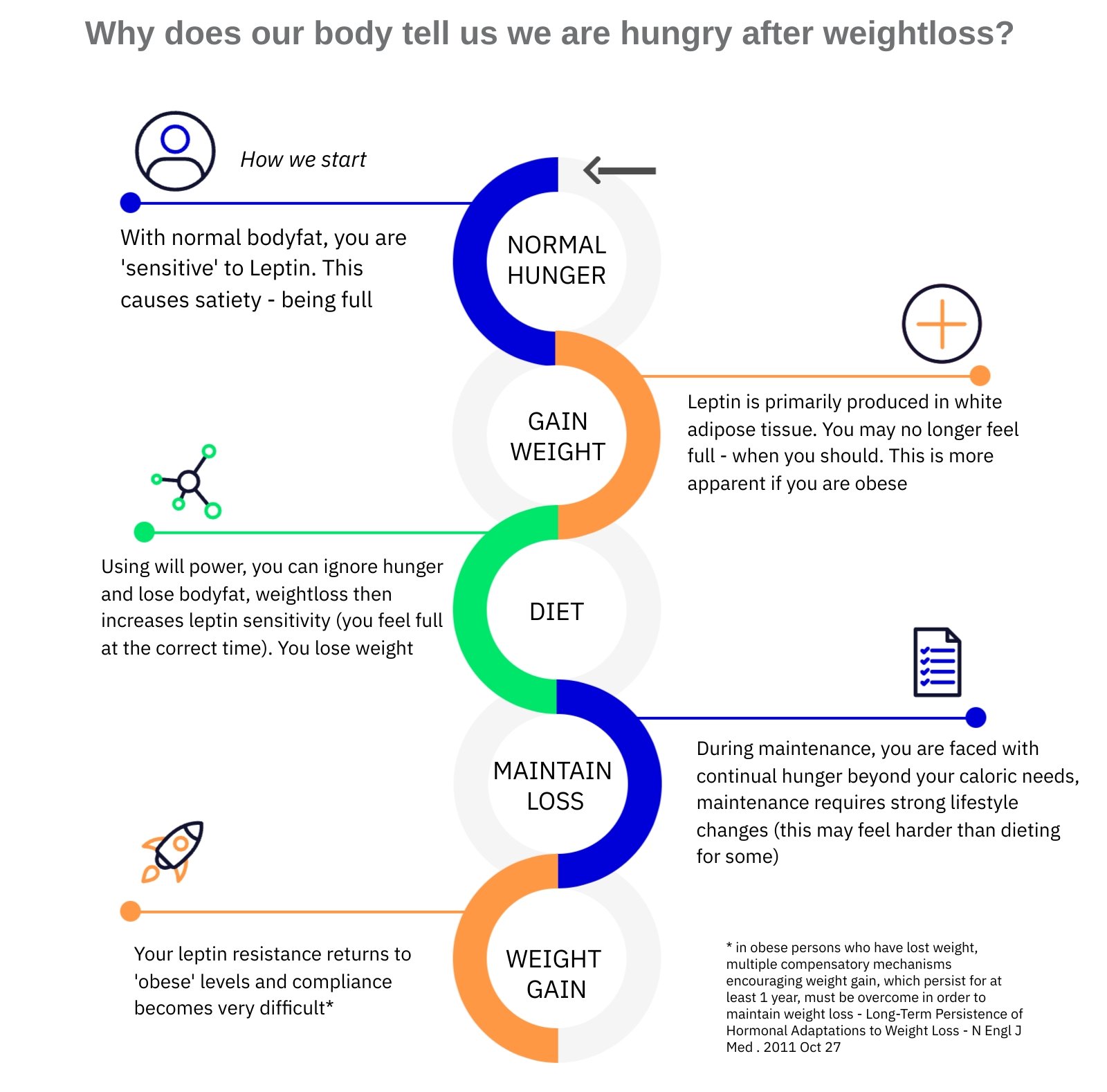
Sleeve and bypass surgery can both have a significant impact on ongoing hunger by affecting hormones such as leptin and ghrelin.
Lifestyle changes and medication can be helpful, but they do not always have the desired effect on hunger hormones. Many people experience stronger hunger or cravings once they enter the maintenance phase after weight loss.
The hormonal impact of having previously lived with obesity is one reason many people regain weight. Their body may struggle to accurately signal when they are full.
It’s a big step. We understand.
There is a time to be hopeful, and there is a time to be honest. It can help to reflect on what life may look like if you make a change — and what life may look like if things stay as they are.
Each procedure has its own advantages and disadvantages. The most important factor is being honest with yourself and understanding whether a bigger step may be needed to change your future.
Matters to consider before bariatric surgery
Bariatric surgery is a significant, life-altering procedure. It is important to consider the medical, emotional, practical, and long-term lifestyle factors before making a decision.
1. Medical evaluation and eligibility
We will assess your overall health to determine whether you are a suitable candidate. This may involve blood work, cardiac evaluation, and possibly sleep studies. These tests help confirm that you are healthy enough for surgery and help identify any potential risks.
2. Understanding the procedures
Our goal is to answer every question you have. We want you to feel informed, safe, and supported. Write down any questions, concerns, or risks you would like to discuss, and bring a partner, parent, or friend if that helps. We know this is a big step.
3. Lifestyle changes
Dietary changes
Bariatric surgery requires significant and lifelong changes to eating habits. You will need to follow a structured diet, starting with liquids and gradually progressing to solid foods. Portion control and nutrient-dense foods are essential.
Exercise
Regular physical activity is important for long-term weight loss and overall health after surgery.
Emotional and psychological factors
Weight loss surgery can bring emotional and psychological changes. Support from a therapist, healthcare team, or support group can help you navigate these changes.
4. Risks and complications
Surgical risks
Like any surgery, bariatric surgery carries risks. We will help educate you on those risks and the steps taken to reduce them as much as possible.
Long-term considerations
Potential long-term complications include nutritional deficiencies. This means you will need to commit to a nutrient-rich diet after surgery.
5. Long-term commitment
Follow-up care
Regular follow-up appointments with your surgeon and healthcare team are essential for monitoring your progress and addressing any issues.
Nutritional supplements
Lifelong vitamin and mineral supplementation is typically required to help prevent nutritional deficiencies.
Support system
A strong support system of family, friends, or support groups can make a meaningful difference to long-term success.
6. Practical considerations
Cost and insurance coverage
Bariatric surgery can involve significant costs, so it is important to understand your insurance coverage and any out-of-pocket expenses.
Recovery time
Plan for adequate recovery time after surgery. This may involve taking several weeks off work.
Changes in relationships
Weight loss can affect your relationships. Open communication with loved ones can help you manage these changes.